
Waking up to a frosty January morning in the Ocean State brings a familiar routine. You scrape the ice off your windshield, get into the driver's seat, and turn the key. The engine hesitates for a second before finally roaring to life. That brief delay is a symptom of the immense stress freezing temperatures put on your vehicle.
Rhode Island winters deliver a harsh mix of icy coastal winds, heavy snowstorms, and plunging temperatures. While most drivers know to equip their cars with an ice scraper and a good set of snow tires, internal engine maintenance often takes a back seat. Neglecting what goes on under the hood can lead to unexpected breakdowns, expensive repairs, and dangerous situations on slick roads.
Proper lubrication is the lifeblood of your engine. Keeping your oil fresh is one of the most effective ways to protect your vehicle against the cold. By understanding how winter weather affects your car and taking proactive steps, you can save money and enjoy peace of mind all season long. Read on to discover exactly how cold weather impacts your engine, why fresh oil is critical, and what else you should add to your seasonal maintenance checklist.
Understanding Oil Viscosity in the Cold
To understand why cold weather is so hard on your engine, you need to understand oil viscosity. Viscosity refers to a fluid's resistance to flow. Think about how honey behaves at room temperature compared to when you put it in the refrigerator. When it gets cold, it becomes thick and sluggish. Motor oil reacts to freezing temperatures in a very similar way.
When you start your car after a cold winter night, the engine oil needs to travel quickly to coat all the moving parts. If the oil is too thick, it takes much longer to circulate. This leaves metal components grinding against one another without adequate lubrication. That brief period of dry running causes significant wear and tear over time.
Modern motor oils use a multi-grade system to handle temperature fluctuations. When you look at an oil bottle and see a label like 5W-30, that "W" stands for Winter. The number preceding it indicates how well the oil flows in cold temperatures. A lower number means the oil remains thinner and flows faster in the freezing cold. Keeping your engine filled with the correct, clean oil ensures it can circulate properly, even on the coldest Rhode Island mornings.
The Importance of Regular Oil Changes
Fresh oil flows relatively easily, but oil degrades as you drive. Over months of commuting, engine oil picks up dirt, metal shavings, and combustion byproducts. This contamination gradually turns the oil into a thick, gritty sludge.
When the temperature drops, this contaminated sludge becomes even thicker. Forcing a vehicle's oil pump to push thick, dirty sludge through the engine puts severe strain on the entire system. Regular oil changes remove these contaminants before they can cause lasting damage.
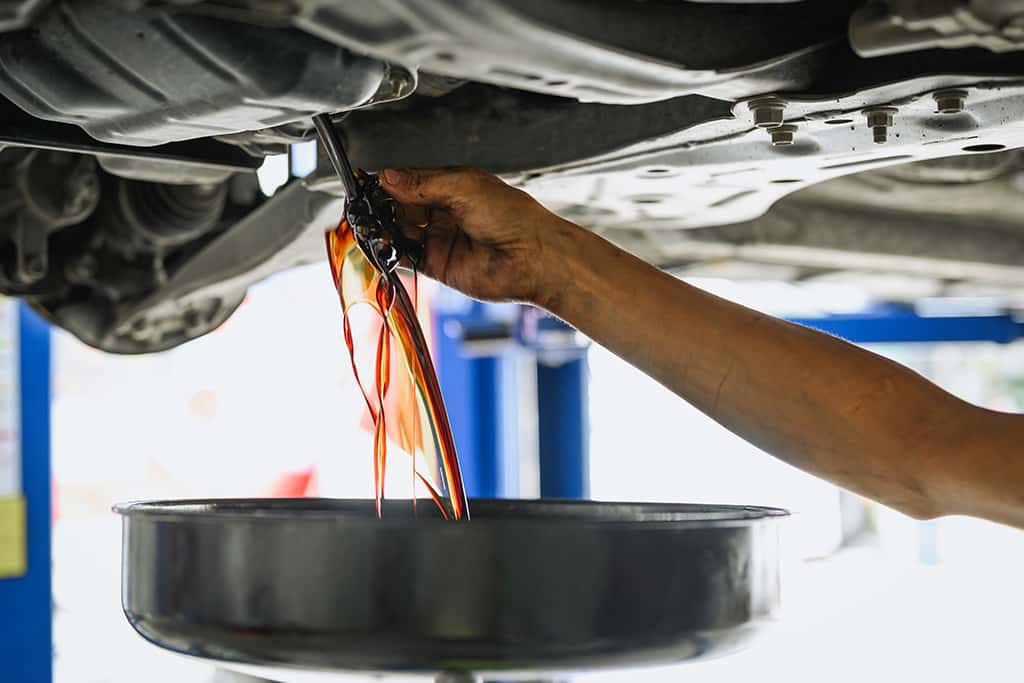
Clean oil provides superior protection during cold starts. It flows rapidly to the engine's upper valve train, ensuring everything glides smoothly. Changing your oil before the winter season hits is a simple, cost-effective way to extend the lifespan of your engine. You avoid the heavy friction that damages internal components, keeping your engine running efficiently until the spring thaw arrives.
Rhode Island Specific Driving Factors
Drivers in Rhode Island face a unique set of challenges that go beyond simple freezing temperatures. The local geography and infrastructure significantly impact vehicle health.
First, there is the heavy use of road salt. Local municipalities use tons of salt to keep highways like I-95 and local streets clear of ice. While this salt keeps you from sliding off the road, it accelerates the corrosion of metal components.
Second, the coastal humidity creates excessive moisture. Rhode Island's proximity to the ocean means the air holds water vapor, which can condense inside a cold engine block.
Finally, the state's small size leads to specific driving habits. Many Rhode Islanders take frequent, short trips. You might drive five minutes to the grocery store or ten minutes to work. During these short trips, your engine never reaches its optimal operating temperature. Because the engine stays relatively cool, the condensation inside the engine block never fully evaporates. This water mixes with the engine oil, degrading its lubricating properties much faster than normal. Regular oil changes are the only reliable way to flush this harmful moisture out of your system.
Your Essential Winter Maintenance Checklist
An oil change is a perfect starting point, but preparing your vehicle for winter requires a holistic approach. While your car is in the shop for fresh oil, it is the ideal time to check other critical systems.
Battery Health Tests
Car batteries hate the cold. Freezing temperatures drastically slow down the chemical reactions inside the battery, reducing its total power output. At the same time, a cold engine requires more power to turn over because of the thickened oil. Have your mechanic run a diagnostic test on your battery to ensure it holds a strong charge. Replacing a weak battery in a warm garage is far better than getting stranded in a freezing parking lot.
Tire Pressure and Tread Checks
For every ten-degree drop in temperature, your tires lose about one pound of air pressure. Underinflated tires reduce your traction on icy roads and increase your braking distance. Check your tire pressure regularly throughout the winter. Additionally, inspect your tire tread. If your tires are bald, they will not be able to grip snow-covered roads.
Vital Fluid Top-Offs
Engine oil is not the only fluid that needs attention. Make sure your vehicle is filled with a winter-grade windshield wiper fluid that will not freeze on the glass. You should also have your engine coolant (antifreeze) inspected. A proper mixture of antifreeze and water prevents the engine block from cracking under extreme cold.
Drive Safely Through the Ocean State Winter
Proactive maintenance is the key to conquering harsh winter driving conditions. A simple oil change provides massive benefits for your engine's longevity, preventing sludge buildup and reducing friction during cold starts. When you combine fresh oil with a comprehensive check of your battery, tires, and fluids, you create a reliable vehicle that can handle whatever the season throws your way.
Skipping routine service might save a few dollars today, but it often leads to expensive repairs tomorrow. Taking the time to care for your car now ensures you get to your destination safely, comfortably, and without the stress of a sudden breakdown.
If you are ready to prepare your vehicle for the cold months ahead, trust the experts who know Rhode Island roads best. The trained technicians at Speedcraft Nissan in West Warwick are ready to help. From full synthetic oil changes to complete winterization inspections, they have the tools and experience to keep your car running at its peak. Schedule your service today and drive with confidence all winter long.